
Modern heat pumps are 3–5 times more energy-efficient than traditional gas boilers. Instead of generating heat, they transfer heat, which allows them to produce several units of heat from one unit of electricity.
As a result, heat pumps reduce energy consumption, lower carbon emissions, and provide reliable heating and cooling all year round. While heat pumps are becoming more popular, many people are still unfamiliar with how they actually work and what they can do.
Below are five important facts about heat pumps that every homeowner and installer should know.
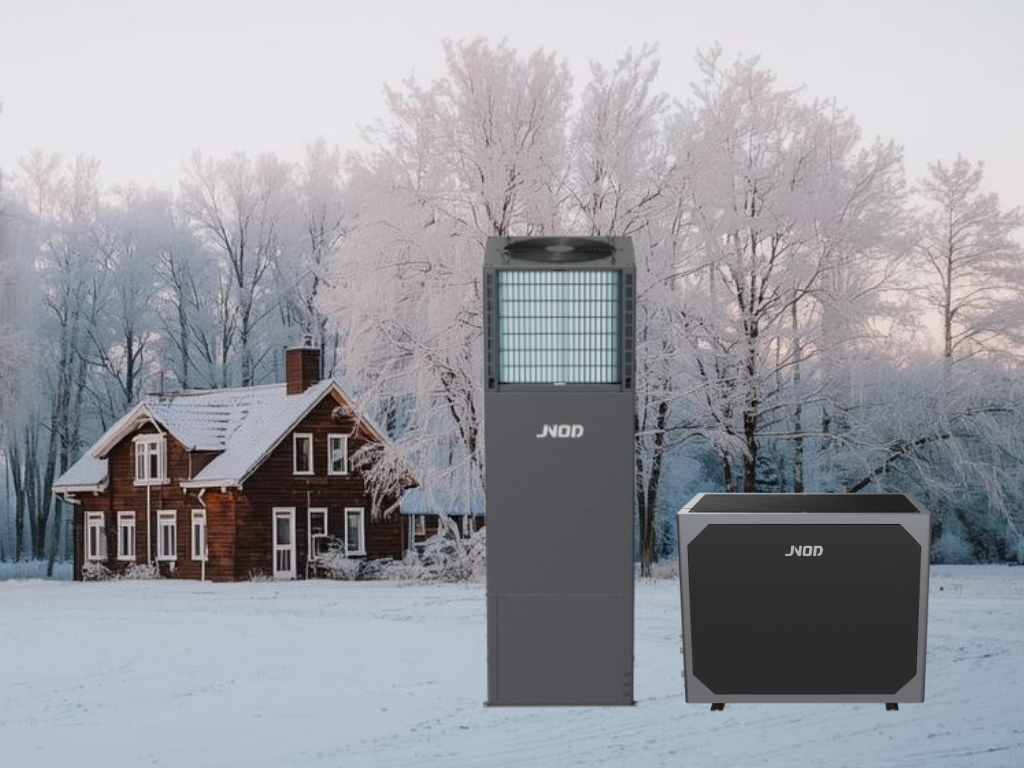
Heat pumps remain efficient even when outdoor temperatures fall below 0°C.
They extract heat from sources such as outdoor air or the ground. Even cold air contains usable thermal energy. The system captures this heat and transfers it indoors.
This is proven in practice. Nordic countries such as Norway, Sweden, and Finland have the highest heat pump adoption rates in Europe. These regions experience long, cold winters, yet heat pumps have been used there successfully for decades.
Their widespread use in cold climates shows that heat pumps are a reliable heating solution, even in harsh weather conditions.
Many homes can install heat pumps without extensive renovation.
Modern heat pumps often work with existing radiators, underfloor heating systems, or hot water tanks, especially in well-insulated buildings. Older homes can also use heat pumps if insulation has been upgraded or if larger radiators are already installed.
Air source heat pumps typically require only:
No major construction work is usually needed. Heat pumps are available in different sizes and configurations, making them suitable for apartments, villas, and townhouses.
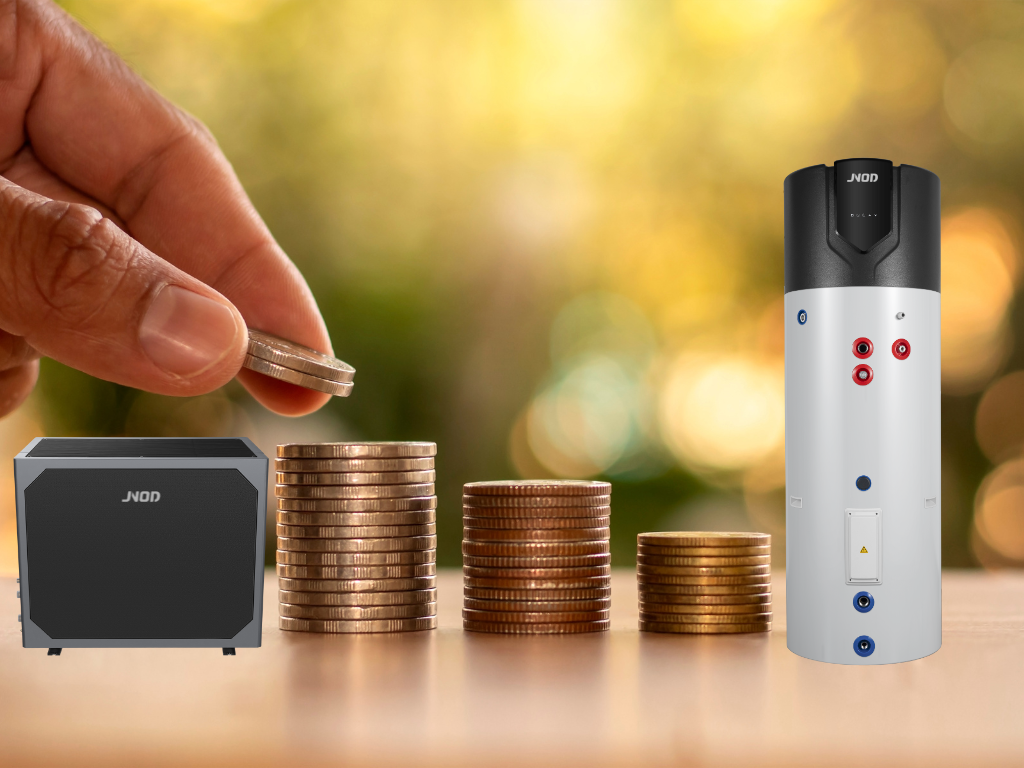
Heat pumps use electricity more efficiently than gas boilers use fuel.
In many EU countries, households using heat pumps can reduce heating costs by 20%–60%. Savings are higher in regions where electricity and gas prices are close. The EU’s Affordable Energy Action Plan includes measures to reduce electricity prices, which will further reduce the energy costs of using heat pumps.
Although the initial purchase cost of a heat pump is higher than a boiler, the long-term operating cost is lower. Financial incentives, government subsidies, and leasing programs can also help reduce upfront expenses.
When combined with solar PV systems, heat pumps can cut energy bills even further and improve energy independence.
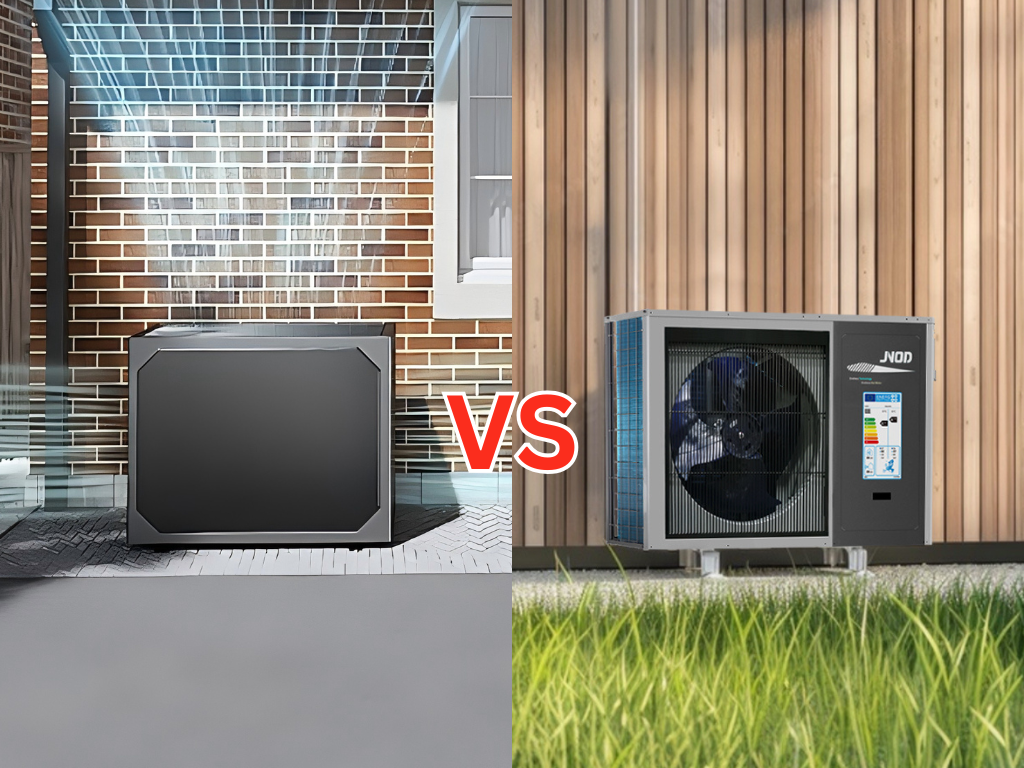
Today’s heat pumps are designed for low-noise operation.
Outdoor units typically operate at 40–65 dB, which is similar to quiet conversation. Indoor noise levels are even lower.
Some manufacturers, such as JNOD, offer top-blowing heat pump designs that direct airflow and noise upward. This reduces disturbance to neighbors and makes the system more suitable for residential areas.
According to EU projections, Europe may reach 52 million heat pump installations by 2030.
Even at that level, heat pumps are expected to account for only about 5% of total annual electricity consumption, rising to around 9% during peak demand.
Modern heat pumps support smart grid functions, automatic power adjustment, and load balancing. In many countries, replacing traditional electric heaters with heat pumps has actually reduced overall electricity consumption.
European power grids are already being upgraded to support electrification and renewable energy integration.
Heat pumps are efficient, reliable, and future-proof heating and cooling systems. They perform well in cold climates, operate quietly, reduce energy costs, and place limited strain on power grids.
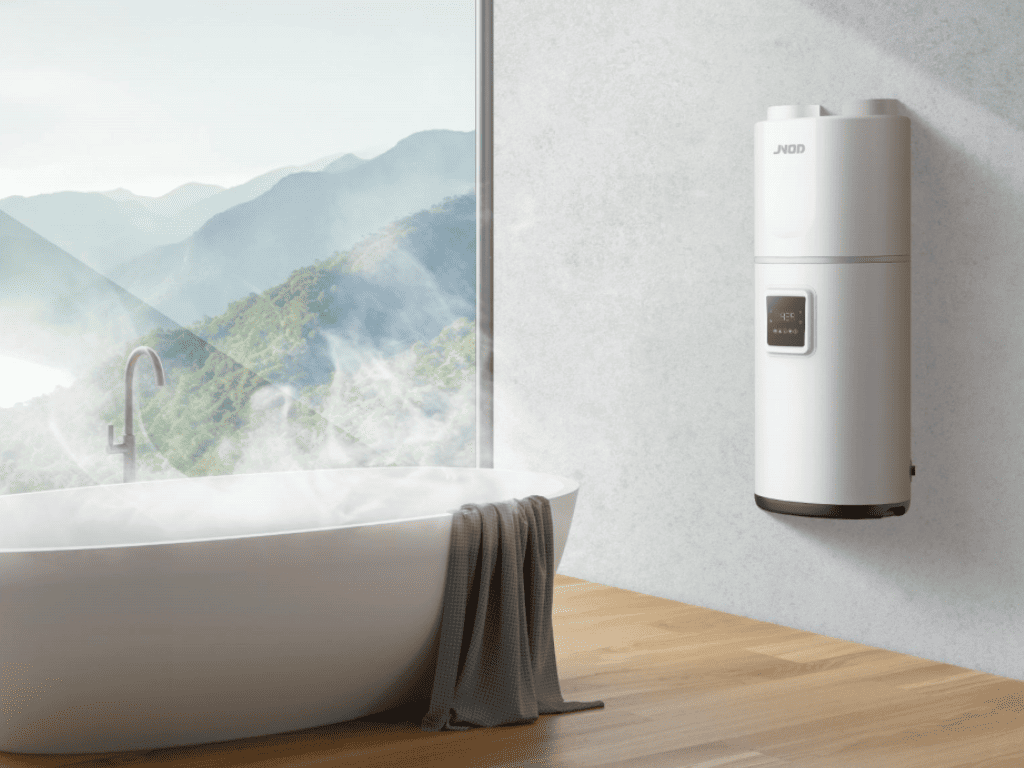
As heat pump technology continues to advance, solutions such as JNOD air-to-water heat pumps offer high efficiency, smart control, and quiet operation for modern homes.
By understanding these key facts, homeowners and installers can make more informed decisions and confidently move toward cleaner heating solutions.
 English
  German
  French
  Spanish
  Italian
  Dutch
Dutch