
When most homeowners think of subscription services, they think of things like media services, cloud storage, or gym memberships. However, there’s another common expense that often costs far more than all of those: heating and cooling costs.
Old HVAC systems can silently consume thousands of euros or dollars in electricity bills each year. The older and less efficient the equipment, the more energy is needed to maintain indoor comfort. As summers get hotter and winters get colder, electricity bills continue to rise.
Modern heat pump technology offers a different solutions. Instead of continuously paying for inefficiency, homeowners can invest in a system designed to deliver long-term comfort, lower energy consumption, and smart control over operating costs.
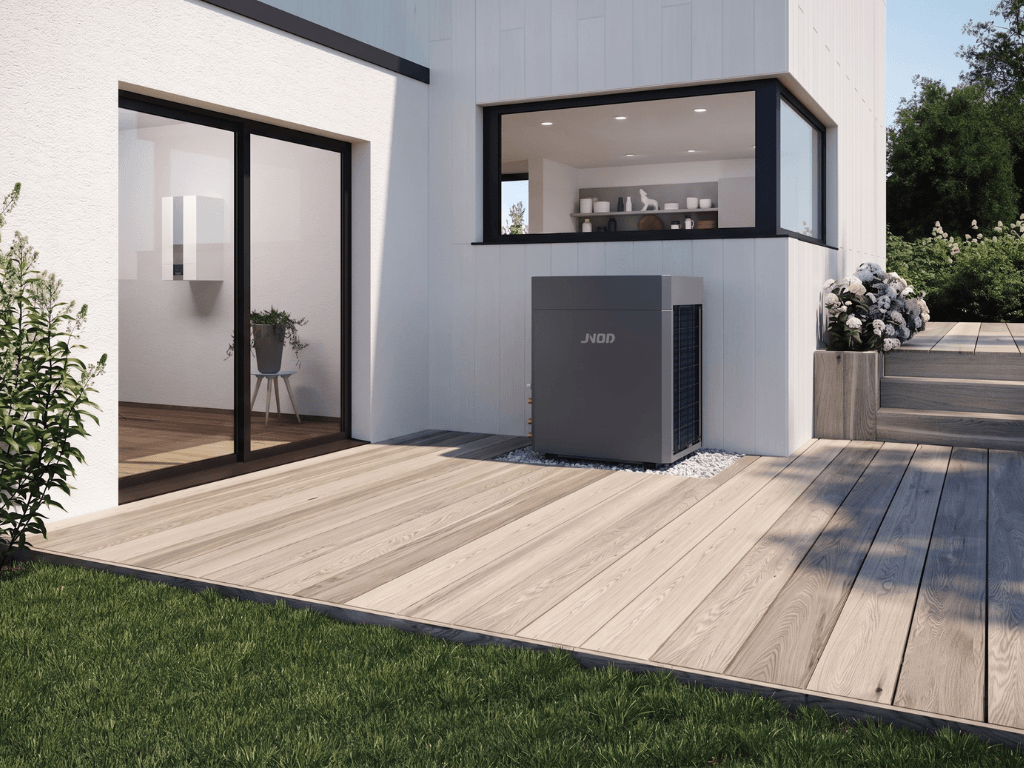
Many homes still rely on older air conditioners, electric resistance heaters, or low-efficiency heat pumps. These systems often:
Even when the equipment still works, it may be costing far more to operate than new heat pump technology. Over 10 to 15 years, energy costs can exceed the original purchase price of the system many times over.
A modern Inverter air source heat pump works by transferring heat rather than generating it directly. This allows it to deliver significantly more heating or cooling energy than the electricity it consumes.
Key advantages include:
Modern systems can achieve much higher seasonal efficiency than older HVAC equipment.
Inverter technology continuously adjusts heating output instead of frequently turning on and off.
Heat pumps are a perfect match for solar PV systems and other home energy-saving renovation solutions.
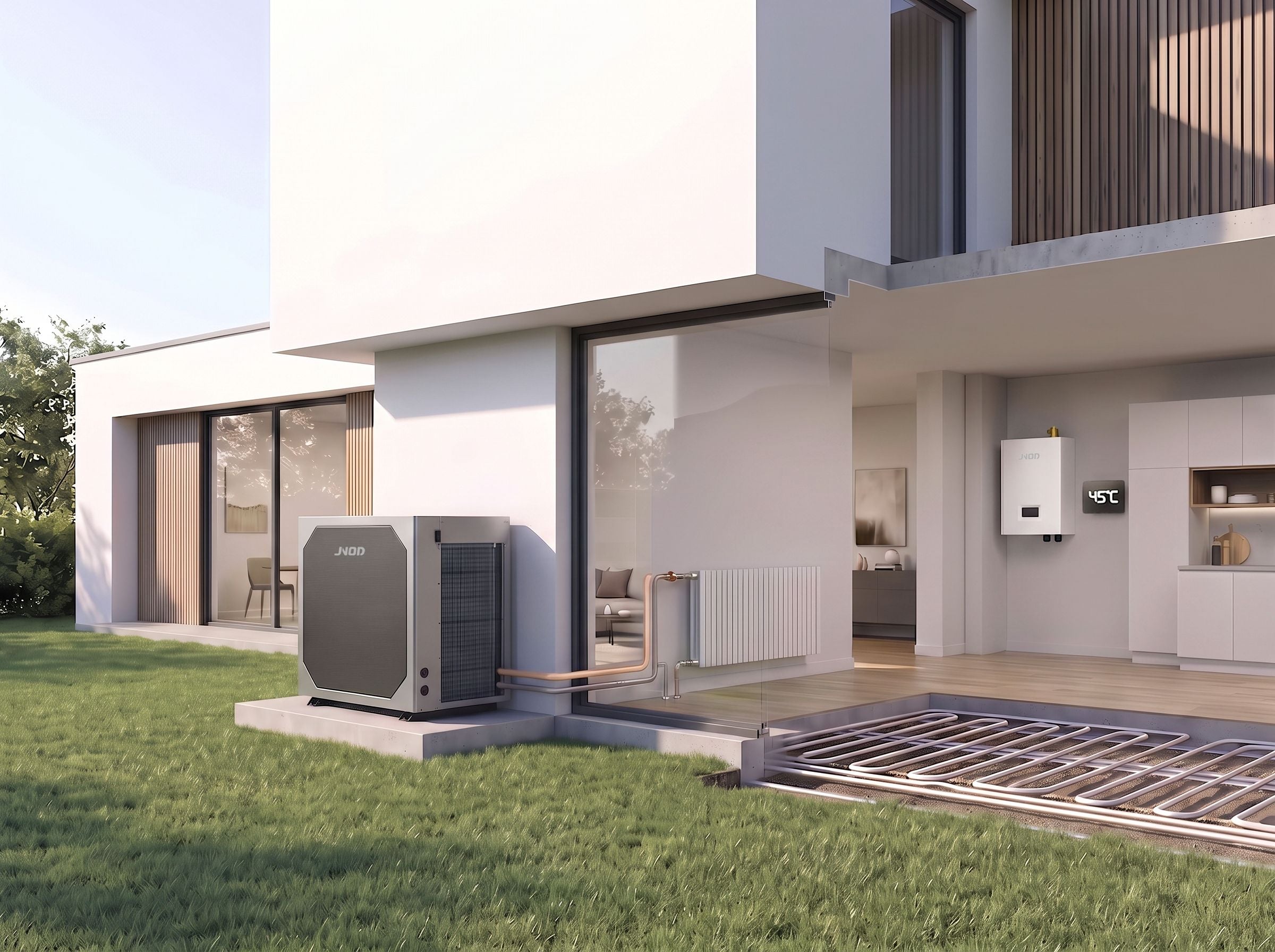
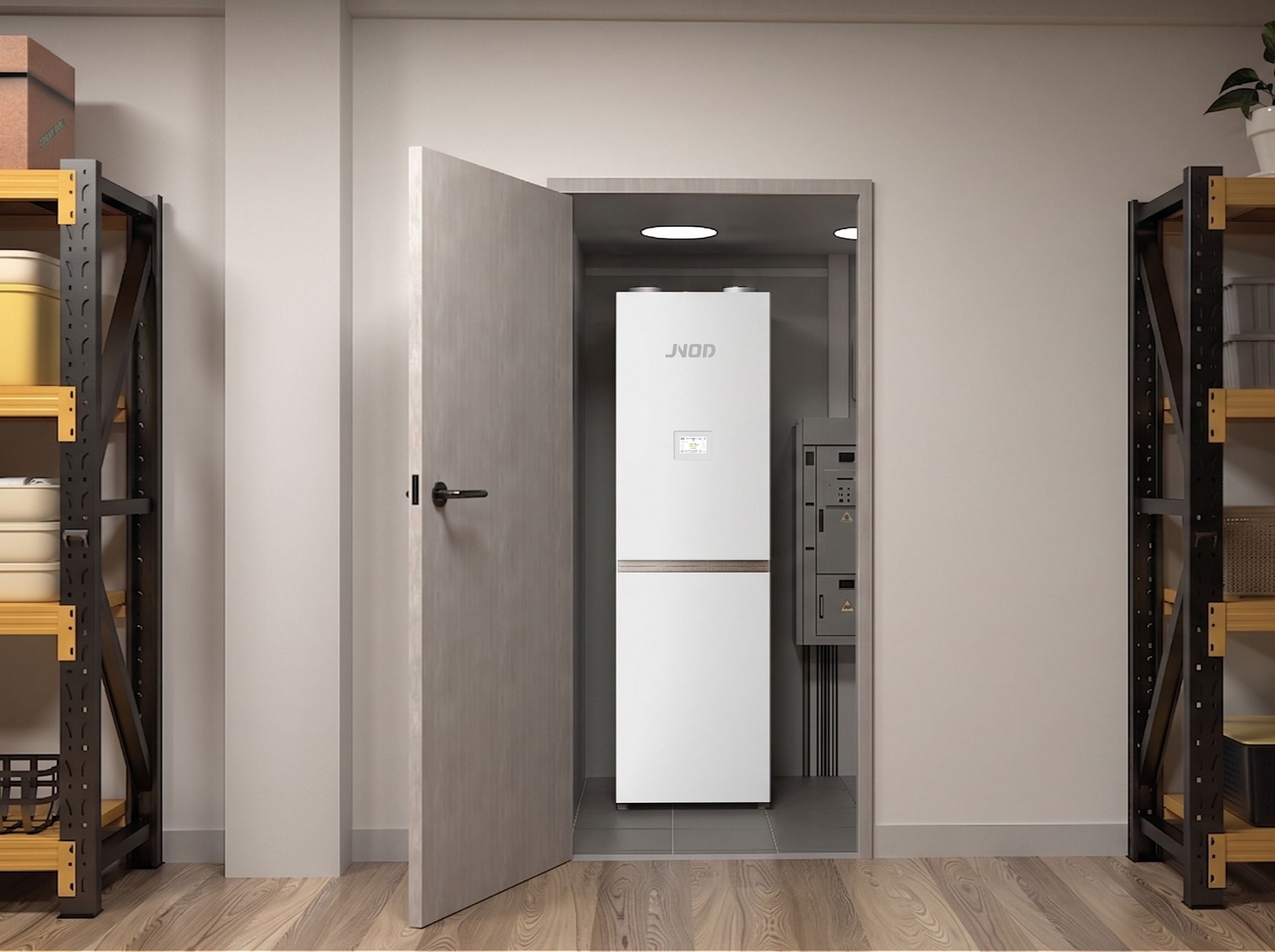
For homeowners seeking both heating and domestic hot water, an integrated heat pump solution can simplify installation while improving overall energy performance.
One of the most important developments in the industry is the adoption of R290 (propane) refrigerant. R134A and R32 refrigerants are far inferior to R290 in terms of performance and environmental impact.
R290 has gained attention because it offers:
As governments and homeowners place greater emphasis on sustainability, R290 heat pumps are becoming an ideal option for new installations and system replacements.
In many urban and suburban areas, outdoor space is limited. Side-discharge units will create challenges when equipment must be installed close to walls, fences, or neighboring buildings.
A top discharge heat pump directs airflow upward rather than horizontally. This design can provide several practical benefits:
For homes located in dense residential areas, the installation advantages can be just as important as the efficiency improvements.
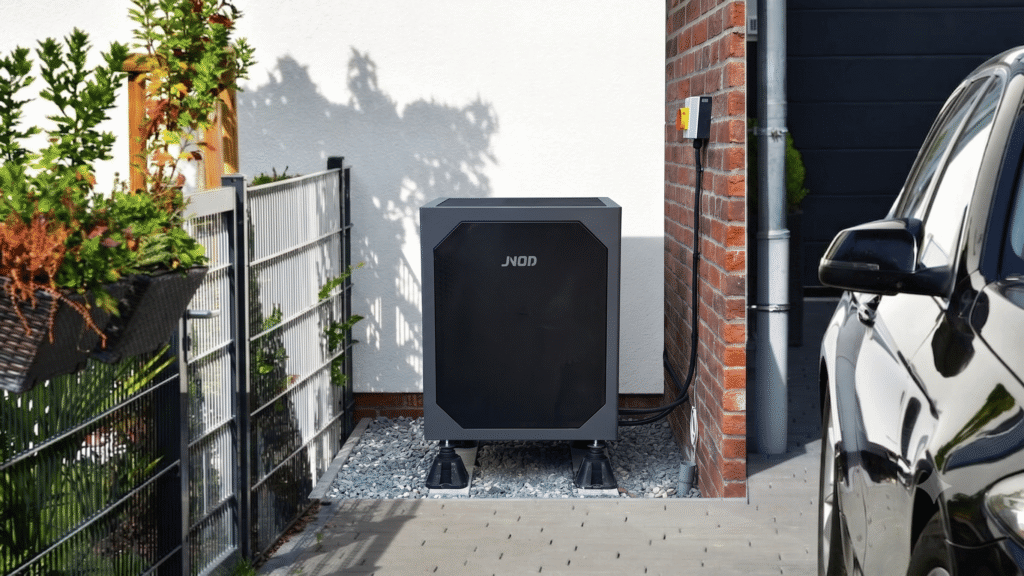
While savings vary by climate, energy prices, insulation quality, and system design, many homeowners experience substantial reductions in heating costs when replacing inefficient electric heating or older HVAC systems.
The biggest factors include:
| Factor | Why it matters |
| Climate | Heat pumps perform differently in mild, moderate, and cold regions. |
| Insulation quality | Better insulation reduces heating and cooling demand. |
| Electricity tariffs | Time-of-use pricing can improve savings with smart controls. |
| Solar integration | Using self-generated electricity can further lower operating costs. |
| System sizing | Properly sized equipment operates more efficiently and comfortably. |
Rather than promising a specific percentage, the most accurate statement is that a modern, properly designed heat pump system can significantly improve energy efficiency and reduce operating costs compared with many older heating technologies.
One reason homeowners feel powerless about energy bills is that they rarely see how their heating system actually operates.
Smart heat pumps change that by providing:
This visibility helps homeowners make informed decisions instead of simply reacting to monthly utility bills.
A useful way to think about a heat pump upgrade is not as another appliance purchase, but as an investment in the home’s infrastructure.
Unlike a recurring service that disappears after each payment, a high-quality heat pump can provide comfort and efficiency benefits for many years. When combined with good insulation and renewable energy sources, it becomes part of a broader strategy for reducing household energy consumption.
This perspective is increasingly common among homeowners pursuing lower operating costs, improved comfort, and greater energy resilience.
If you are evaluating a new heat pump system, focus on these questions:
Choosing the right system involves both technical performance and practical installation considerations.
The largest recurring cost in many homes is not a streaming service or a gym membership—it is the energy required to maintain indoor comfort.
Modern heat pumps, particularly high-efficiency inverter systems using refrigerants such as R290, offer a practical path toward lower energy consumption and better long-term performance. For homes with limited outdoor space, top discharge designs can provide additional installation flexibility.
No technology can eliminate energy costs entirely. But upgrading from outdated heating and cooling equipment to a modern heat pump can help transform an ongoing expense into a smarter, more efficient investment in the home.
That shift—from paying for inefficiency to investing in efficiency—is why heat pumps are becoming one of the most important residential energy technologies of the decade.
 English
  German
  French
  Spanish
  Italian
  Dutch
Dutch