
As energy prices continue to rise, homeowners and businesses are seeking smarter, greener heating solutions. One of the most efficient technologies available today is the solar assisted heat pump (SAHP). It combines two proven renewable energy systems—solar energy and air-source heat pumps—to deliver reliable heating and hot water while significantly reducing energy consumption and bills.
Let’s explore how a solar assisted heat pump works and why it’s one of the best solutions for sustainable home comfort.
What Is a Solar Assisted Heat Pump?
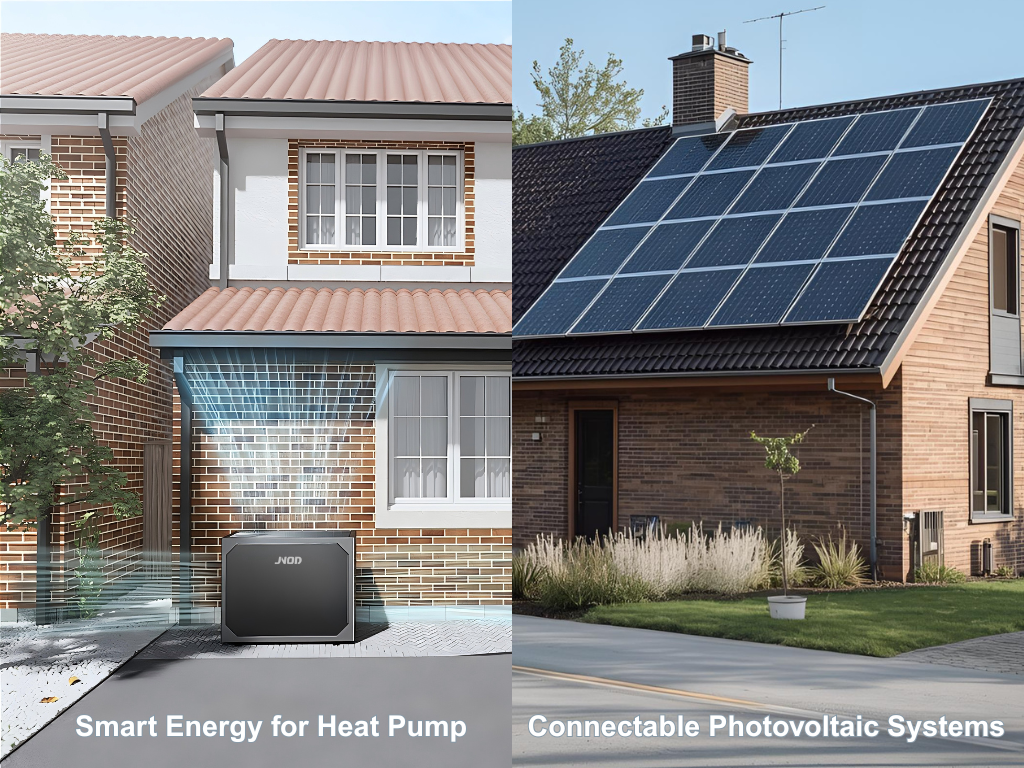
A solar assisted heat pump is a hybrid system that integrates a solar PV panel with a heat pump. The solar collector absorbs energy from sunlight and the surrounding air, which helps the heat pump work more efficiently—even in cold or cloudy weather.
This combined system provides:
- Heating for radiators or underfloor systems
- Hot water for domestic or commercial use
- Cooling (in reversible models) during summer
In short, the system maximizes renewable energy use while minimizing electricity demand.
How Does a Solar Assisted Heat Pump Work?
Here’s how it operates step by step:
- Solar Energy Collection
The solar panel absorbs energy from sunlight and ambient air, transferring it to a refrigerant fluid. - Heat Pump Compression
The heat pump’s compressor increases the refrigerant temperature and pressure, converting low-grade solar heat into usable energy. - Heat Distribution
The generated heat is transferred to a water tank or directly into a heating circuit—supplying hot water or space heating for your home. - Smart Control
A controller optimizes performance by adjusting between solar and heat pump operation for maximum efficiency.
Even on cloudy days or at night, the system can continue operating because it also extracts heat from the surrounding air.
Energy Efficiency: The Key Advantage
The solar heat pump achieves exceptional energy efficiency by reducing dependence on electricity. Traditional electric heating converts power directly into heat, but a heat pump transfers existing heat from the air or sun—making it three to five times more efficient.
When combined with solar energy, the heat pump requires even less electricity, lowering your energy bills.
- Typical performance benefits include:
- Energy savings of 40–70% compared to conventional systems
- COP (Coefficient of Performance) values above 4.0
- Year-round operation, even in cold climates
How Solar Assisted Heat Pumps Reduce Bills
A solar assisted heat pump saves money in several ways:
- Lower electricity use: Solar energy supplements the heat pump, reducing the amount of grid power needed.
- Reduced carbon taxes or surcharges: In many regions, energy-efficient systems qualify for tax relief or rebates.
- Government incentives: Many European countries offer subsidies or grants for renewable heating systems.
- Smaller maintenance costs: Fewer moving parts and advanced control systems mean less maintenance over time.
Over several years, the system can pay for itself through energy savings.
Environmental Benefits
In addition to lowering your energy bills, a solar heat pump also reduces your carbon footprint.
Replacing fossil-fuel-based boilers helps cut greenhouse gas emissions by up to 60%, contributing to cleaner air and a greener future.
Moreover, since it uses natural and renewable energy sources, it supports global efforts toward carbon neutrality and sustainable living.
Is a Solar Assisted Heat Pump Right for You?
A solar energy heat pump is ideal if you want:
- Year-round heating and hot water from renewable energy
- Lower electricity bills and long-term savings
- Reduced environmental impact
- Eligibility for renewable energy incentives
It’s suitable for both new builds and retrofit projects, and works well in residential or light commercial settings.
Conclusion
The solar assisted heat pump is an intelligent, eco-friendly heating solution that uses both solar and heat pump technologies to maximize efficiency and minimize costs. It not only keeps your home warm and comfortable but also helps you save significantly on energy bills—all while protecting the planet.
If you’re planning to upgrade your heating system, consider investing in a solar assisted heat pump. It’s a step toward a sustainable, cost-efficient, and future-ready home.
 English
  German
  French
  Spanish
  Italian
  Dutch
Dutch