

“Is regular air source heat pump maintenance necessary?” – that is the question which some people often ask. The answer is yes. Proper maintenance of a heat pump ensures efficient operation, increases the lifespan of the unit and helps avoid sudden breakdowns. Regular servicing helps to cut energy bills and prevent capital repairs. Let’s look at some essential tips for keeping your heat pump performing well throughout the year.

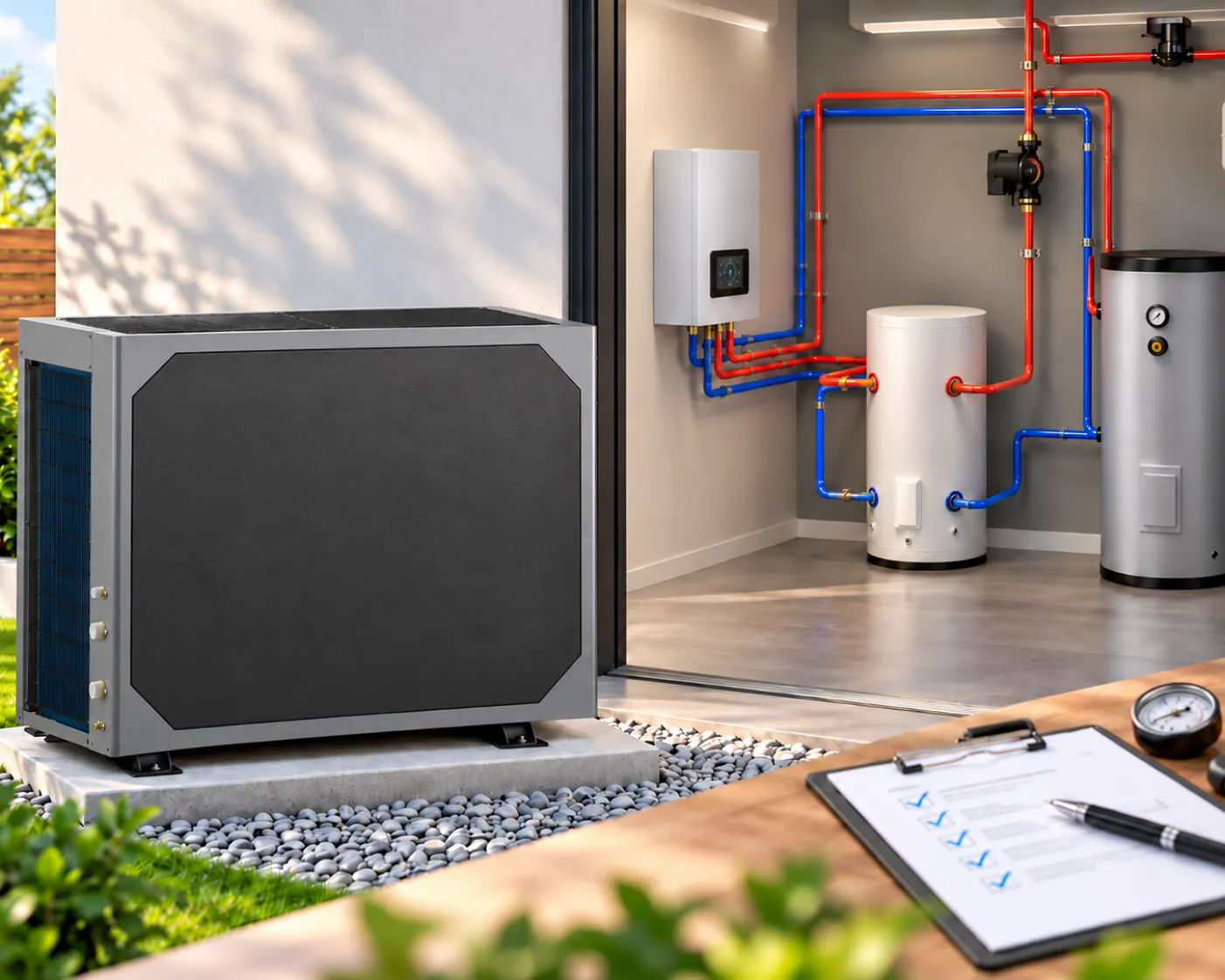
Understanding how heat pumps work is the first step toward maintaining them efficiently. Heat pumps transfer heat from one location to another, providing heating in winter and, for reversible models, cooling in summer. In air-to-water systems, the compressor, heat exchangers, expansion valve and controls work together to transfer heat to a water circuit.
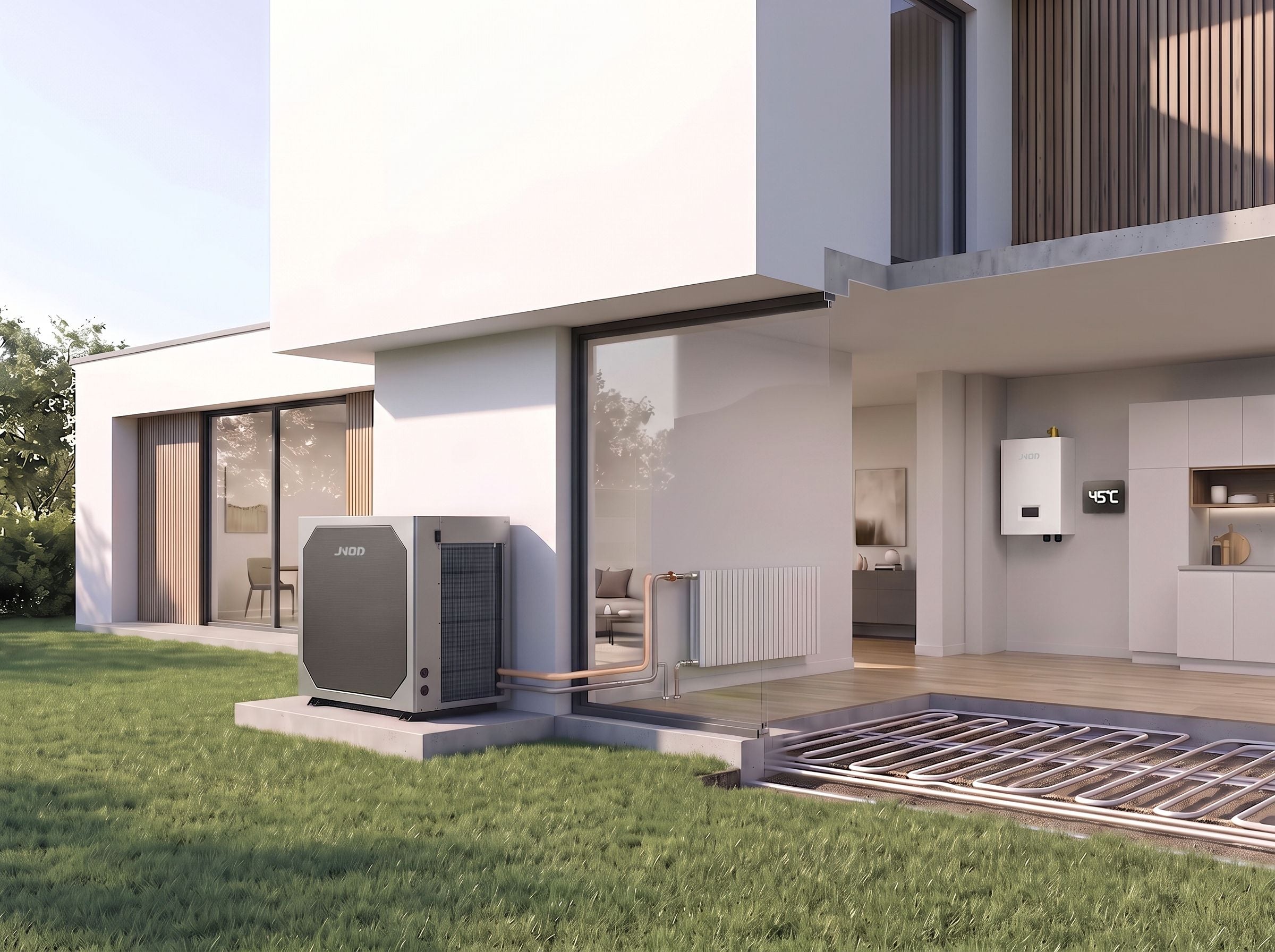
During the cooling season, a reversible air-to-water heat pump removes heat from the building through the water circuit and releases it outdoors. During the heating season, it absorbs heat from outdoor air and transfers it to water for underfloor heating, radiators or domestic hot water. Regular maintenance helps keep these components and the connected water system operating reliably.

Proper heat pump maintenance is essential for many reasons, each of which contributes to the efficient and extended running of your hvac system. Below are four core advantages of regular maintenance that illustrate why it is necessary.
First and foremost, heat pump maintenance significantly improves energy efficiency. If a properly maintained heat pump is in place, it runs much more efficiently implying lower energy consumption and reduced electricity bills. When the outdoor heat exchanger, water filter and circulation pump are in good condition, the heat pump can transfer heat more effectively and operate efficiently.
Secondly, proper maintenance helps prevent common problems that could lead to costly repairs. Ice buildup, blocked water filters and insufficient water circulation are common problems that regular inspections can help identify early. Identifying these potential problems early will help you avoid unexpected breakdowns as well as having a malfunctioning heat pump at peak heating or cooling periods.
Another significant benefit is improved indoor air quality. Enhancing airflow through regular replacement or cleaning of air filters or ensuring that the internal coil remains free from dust can significantly reduce allergens within your home’s atmosphere. This aspect particularly benefits those with allergies or respiratory problems whereby a clean and well-maintained hvac system ensures healthy indoor environments such as better filtering out dust pollen and other airborne particles.
Lastly, if you regularly maintain it, your heat pump can last for a longer time. A heat pump that receives regular care and maintenance will generally last longer than one that is ignored. With a constant maintenance schedule of maintenance activities, you can be sure that all of the parts are working properly so that there are less chances for major breakdowns which may necessitate expensive replacements. In the long run, this approach saves money while at the same time ensures that this machine gives reliable heating and cooling services for decades.
To conclude, energy efficiency is enhanced by proper heat pump maintenance, it helps avoid common challenges, indoor air quality gets better while the unit’s life span extends. You can have a more efficient, dependable and healthful hvac system in your house by dedicating some time and effort to its regular servicing.

It is important to maintain your heat pump properly if you want it to run efficiently all through the winter and summer. To prepare your heat pump for seasonal changes, there are different steps that you should take, some of which apply to both seasons, while others are only for winter or summer alone.

Maintenance of your heat pump is important in order to avoid common problems that can affect its functionality. Below are some of the most common causes with their respective reasons and how regular servicing will help prevent them.
Causes: Reduced airflow or insufficient refrigerant are some of the factors that lead to ice buildup. Whenever airpath is obstructed, absorbing heat using heat pump becomes difficult and hence snow forms on the outdoor section. Alternatively low refrigerant might make coils become excessively cold thereby causing ice accumulation.
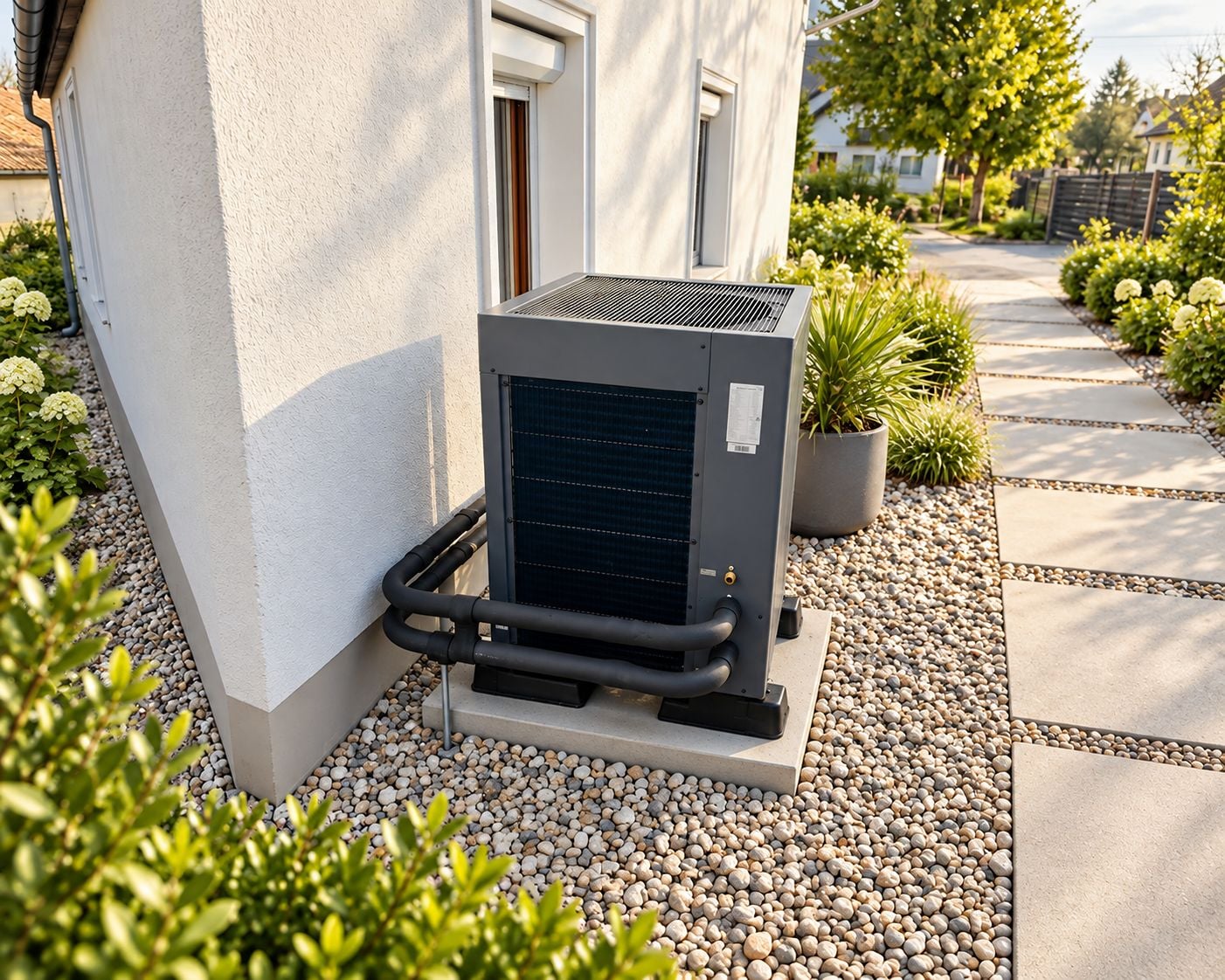
Preventive Measures: Regularly check for any obstructions in form of leaves and shrubs around the condenser unit outside. The unit should have a clearance of at least 18 inches around it. Monitor for ice throughout winter and cautiously remove all accumulations. Besides, frequent monitoring helps ensure appropriate levels of refrigerants are maintained thus preventing this problem as well. If you experience continuous icing on your unit, it would be prudent to consult an expert who can look into any underlying issues
Cause: Air leakage through ducts happens due to openings or apertures present in them which let air out into the environment where they pass through. This might lead to non-uniformity in either cooling or warming up your home.
Prevention: Let an expert technician check the duct work for gaps during your yearly maintenance visitation period. Sealing off these gaps will increase energy efficiency of a heat pump as well as ensure constant temperature distribution throughout a house.Routinely inspecting can help detect and correct leakages early enough before they cause bigger challenges.
Cause: Such conditions are mostly brought about by dirty air filters, clogged outdoor coils or low levels of refrigerants. Hence, forcing the heat pump to overwork, thus consuming more power leads to wear and tear.
Prevention: Take care not to allow dust settle inside its filters every month and change whenever necessary besides removing any form of dirt within the external unit. To make it efficient, you should consider cleaning the outdoor coils at least once during every season and also check on the level of refrigerants. This will in turn aid in maintaining optimal airflow and heat transfer leading to less energy consumption, thus a prolonged life cycle.
Causes: Grinding, squealing or banging are among abnormal sounds that may imply mechanical components malfunctions or poor electrical circuitry inside a heat pump.
Prevention: On regular basis, inspect for signs of wearing out on your equipment. A professional technician who would have done an annual inspection will ensure that all mechanical components as well as electrical connections are operational. Early intervention can help prevent even more severe damages and expensive repairs.
Knowing these common issues with heat pumps through regular maintenance allows your heaters to be cost-effective, dependable, and delivering optimum comfort throughout the year.

Heat pump maintenance costs vary depending on the equipment, service requirements and local labor rates. Routine inspections generally cost less than major component repairs. The following table outlines common maintenance tasks and the factors that may affect their costs.
| Maintenance Task | Main Cost Factors |
|---|---|
| Annual Preventive Maintenance | Service scope, labor rates and system complexity |
| Outdoor Heat Exchanger Cleaning | Equipment condition and accessibility |
| Water Filter Maintenance | Filter condition, cleaning and replacement parts |
| Circulation Pump Service | Fault diagnosis, labor and replacement parts |
| Electrical or Controller Repair | Component costs and troubleshooting |
| Fan or Compressor Repair | Equipment model, parts and labor |
| Refrigerant Circuit Repair | Qualified personnel, safety procedures and parts |
Actual service costs depend on the heat pump model, installation location and local service rates. Contact a qualified service provider for a project-specific quotation.

It is crucial to choose the right professional for your heat pump maintenance; this makes sure that your system stays efficient and lasts as long as possible. Below are five key ways to help you find the right specialist:
The technician should have proper qualifications such as NATE (North American Technician Excellence) or other HVAC-specific certifications. Certified professionals have undergone rigorous training and testing to meet industry standards, ensuring they are equipped to handle your heat pump maintenance needs efficiently.
Personal referrals can be very helpful. Consult friends, relatives or neighbors who have had experiences with any heat pump technicians in that area regarding the same issue. They can give personal opinions about a technician’s reliability, customer services and quality of work. In addition, check some online reviews and ratings available on sites like Yelp, Google Reviews or Angie’s List.
Before engaging services from any company request for a comprehensive written estimate from the technician involved. This should include labor costs, parts, and any incidentals among others. This openness will enable you to compare prices and services between different providers helping you get a good deal out of it all. However, very low estimates should raise eyebrows because most likely they imply poor service or hidden charges.
The heat pump company or representative must present valid liability insurance as well as workers’ compensation coverage certificates before beginning work here. These documents protect you against any damages or accidents during maintenance exercises at hand. Usually a reputable contractor gives guarantees on his/her work, thus you do not worry about emergencies in the future.
Reliable technicians communicate clearly, respond promptly and explain the maintenance work involved. They should be willing to answer questions, provide practical recommendations and keep customers informed about the condition of their heat pump system. Clear communication and professional service are important when choosing a long-term maintenance partner.

For optimal energy efficiency, reducing common failures, improving indoor air quality and extending the system’s service life, regular maintenance of the heat pump is very necessary. The heat pump can be monitored so as to offer unchanging comfort by carrying out these maintenance tasks on a monthly basis, in different seasons or annually that will minimize chances of costly repairs. Properly maintained hvac not only saves you money in the long run but also ensures a reliable and efficient hvac system.
Please contact us (JNOD) today if you have any questions or need further assistance with your heat pump maintenance. We want to ensure that your system works at its best throughout the year.
 English
 German
 French
 Spanish
 Italian
 Dutch